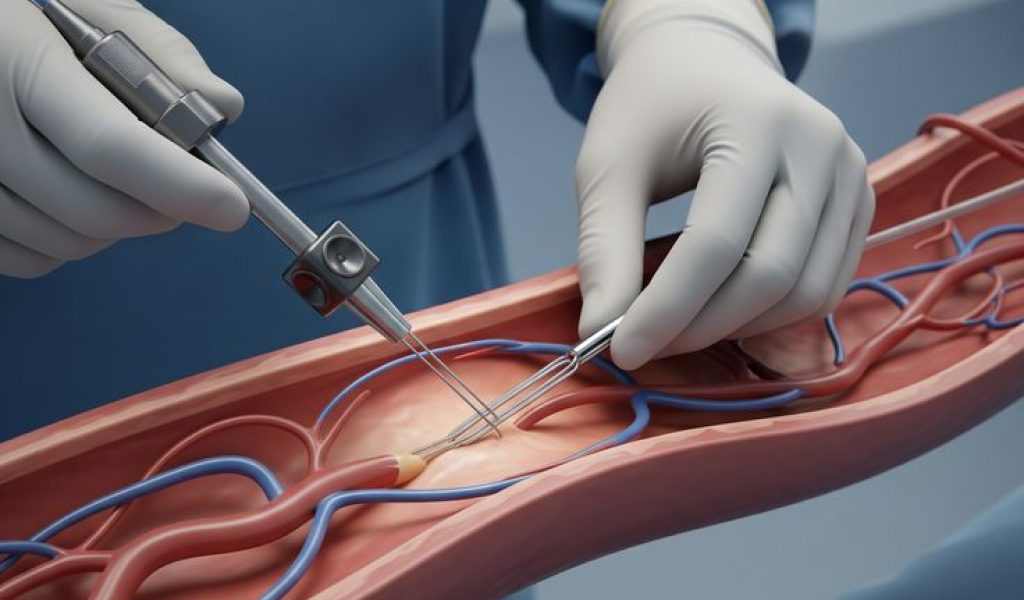
Minimally Invasive Cardiac Surgery (MICS) is a revolutionary approach to heart surgery that allows complex cardiac procedures to be performed through small incisions of just 4–6 centimetres — without the need to fully split the breastbone (sternum). Unlike traditional open-heart surgery, which requires a 20–25 cm incision through the sternum, MICS uses specialised instruments, high-definition cameras, and advanced surgical technology to give the surgeon a clear, precise view of the heart through a keyhole approach.
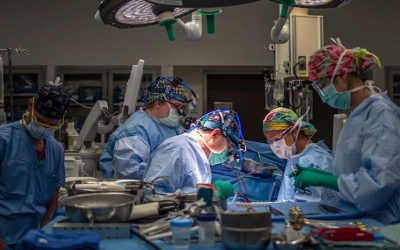
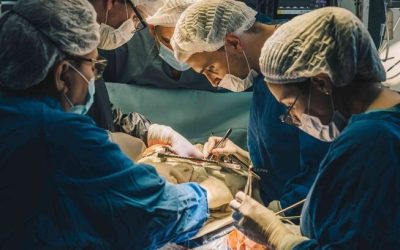
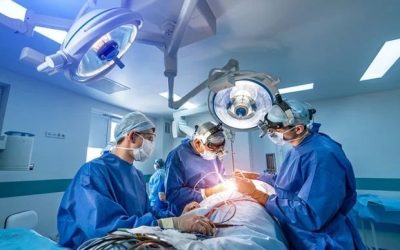
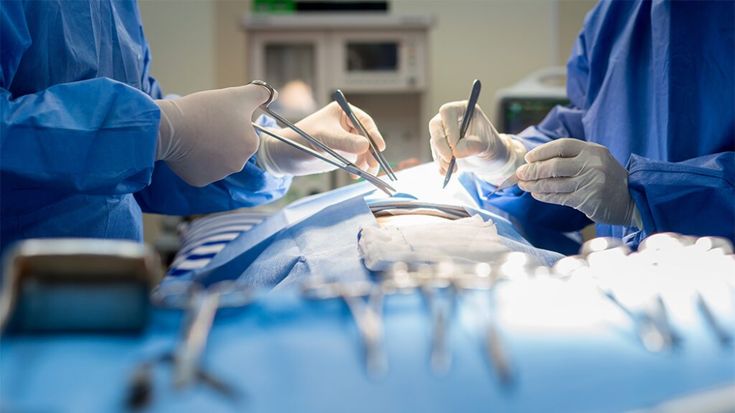
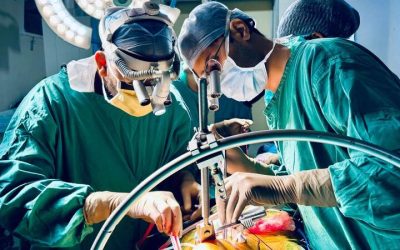
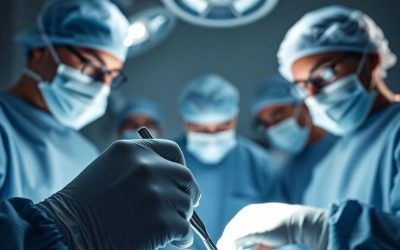
Post Access Valve Surgery – Repair or replacement of the mitral, aortic, or tricuspid valve through small port incisions in the chest — eliminating the need for sternotomy.
Minimally Invasive Direct Coronary Artery Bypass — a keyhole bypass procedure targeting the left anterior descending (LAD) artery using the internal mammary artery graft.
Thoracscopic Pericardial Window – Minimally invasive drainage of pericardial effusion — fluid around the heart — using a thoracoscope, avoiding open pericardiotomy in suitable patients.
Robotic Assisted Cardiac Surgery – Using robotic surgical systems for enhanced precision in valve repairs and select bypass procedures — allowing sub-millimetre accuracy and three-dimensional visualisation inside the chest.
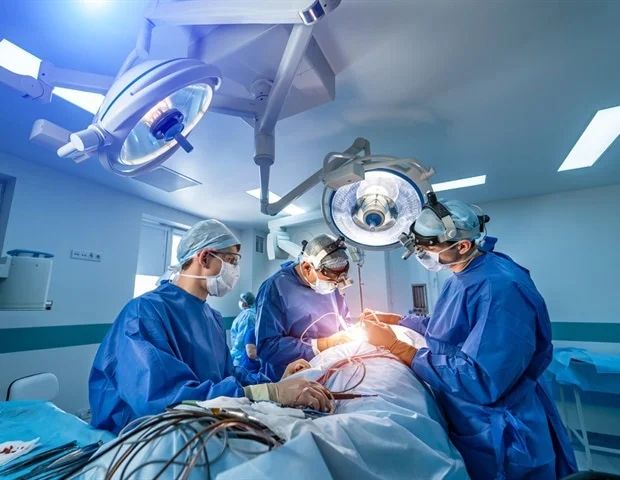
Dr. Jhulana Jena is trained and experienced in the full spectrum of minimally invasive cardiac procedures — from direct coronary revascularisation on the beating heart to valve surgery, septal defect closures, and combined multi-valve procedures — all through small right mini-thoracotomy or limited parasternal incisions. Patients benefit from significantly less pain, faster mobilisation, shorter hospital stays, minimal blood loss, and a return to normal life in a fraction of the time required after conventional sternotomy — without any compromise in the completeness or safety of surgery.
The duration depends on the type of procedure:
Your family will be updated throughout the surgery by our nursing team.
MICS is a safe, well-established surgical technique with an excellent safety record when performed by an experienced MICS surgeon. At our centre, the overall success rate exceeds 98%. Like all cardiac surgeries, MICS carries some inherent risks, including:
Your individual risk profile will be discussed openly and honestly with you during your consultation.
Estimated costs for common MICS procedures at our Bhubaneswar centre:
These are indicative ranges. A personalised cost estimate is provided after your initial consultation.
Yes. MICS procedures are covered under most major health insurance policies and government schemes, including:
Our dedicated insurance and billing team handles all pre-authorisation, claim documentation, and cashless processing so you can focus entirely on your health.
This depends on the nature of your work and the specific procedure performed:
A formal return-to-work clearance will be given at your 4–6 week post-operative follow-up, based on your clinical assessment and recovery progress.
Dr. Jhulana Kumar Jena is an AIIMS Delhi-trained Cardiothoracic & Vascular Surgeon with over 13 years of experience and 1,500+ successful surgeries.
Copyright © 2026 Dr. Jhulana Jena. All Rights Reserved.
Designed With ♥ by Walk Digitally
WhatsApp us