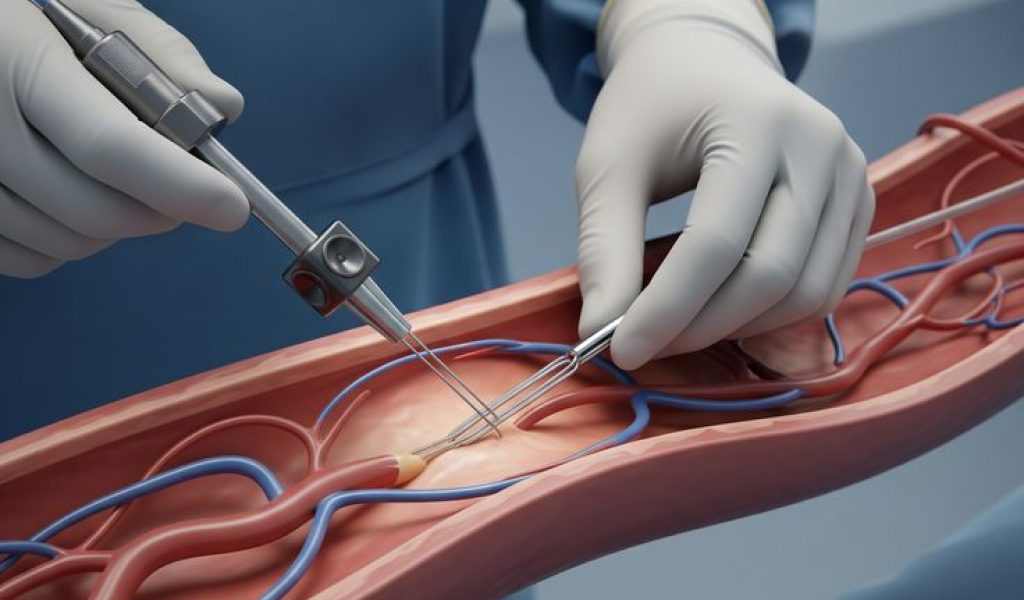
Congenital heart disease (CHD) refers to structural abnormalities of the heart and great vessels that are present from birth. These defects range from simple holes in the heart to complex malformations involving multiple chambers, valves, and vessels — each requiring individualised surgical planning and extraordinary precision.
Dr. Jhulana Jena provides expert surgical management of both simple and complex congenital cardiac lesions across paediatric and adult populations. With a deep understanding of cardiac embryology and developmental anatomy, the approach to CHD surgery is meticulous, staged where appropriate, and always guided by the long-term functional outcome of the patient.
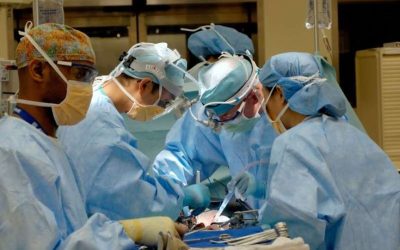
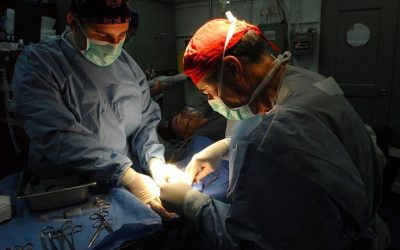
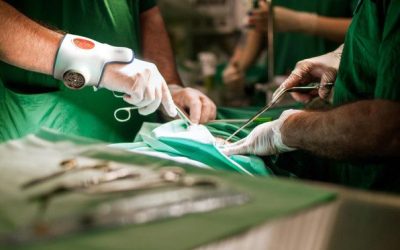
Adults with congenital heart disease (ACHD) form a growing and increasingly complex patient population. Whether addressing previously undiagnosed defects, managing long-term sequelae of childhood repairs, or performing reoperations, Dr. Jena’s practice is equipped for the full spectrum of congenital cardiac care across all age groups.
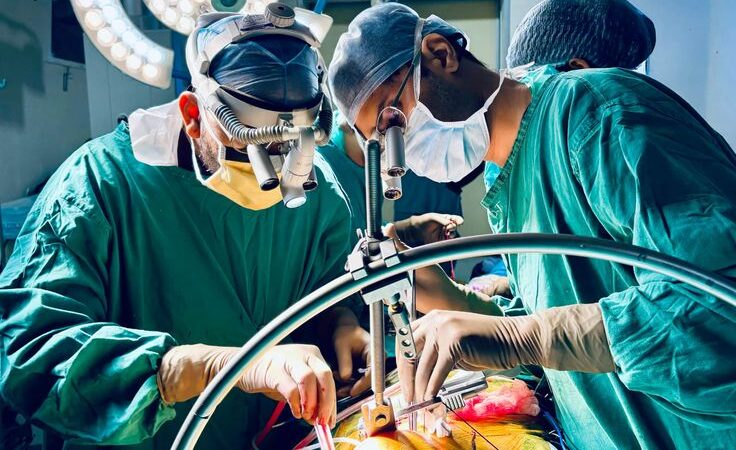
Many congenital heart defects, if left uncorrected, progressively impair heart function, cause irreversible pulmonary vascular disease, or lead to life-threatening arrhythmias. Timely diagnosis and surgical correction — often in infancy or early childhood — can restore normal cardiac physiology and enable patients to live full, active lives.
Some minor defects may close on their own or can be managed with medications. In certain cases, minimally invasive catheter-based procedures can be used instead of open-heart surgery. However, many moderate to severe defects require surgical correction for a permanent and effective solution.
Yes, congenital heart surgery today is highly advanced and safe, especially when performed in specialized cardiac centers. With modern surgical techniques, improved anesthesia, and dedicated cardiac intensive care units, the success rates are very high. The safety also depends on factors such as the type of defect, patient’s age, and overall health condition.
Your individual risk profile will be discussed openly and honestly with you during your consultation.
The cost of CHD surgery in India varies depending on the type of defect, hospital, and complexity of the case:
Surgery is recommended when the heart defect interferes with normal blood circulation, causes symptoms such as breathlessness, fatigue, poor weight gain (in children), or increases the risk of complications like heart failure or infections. Some defects require immediate surgery after birth, while others can be monitored and treated later depending on severity and progression.
Most patients can lead a normal, active, and healthy life after successful surgery. Children usually catch up with growth and development, and adults can return to their daily activities. However, regular follow-up with a cardiologist is essential to monitor long-term heart function.
Dr. Jhulana Kumar Jena is an AIIMS Delhi-trained Cardiothoracic & Vascular Surgeon with over 13 years of experience and 1,500+ successful surgeries.
Copyright © 2026 Dr. Jhulana Jena. All Rights Reserved.
Designed With ♥ by Walk Digitally
WhatsApp us