
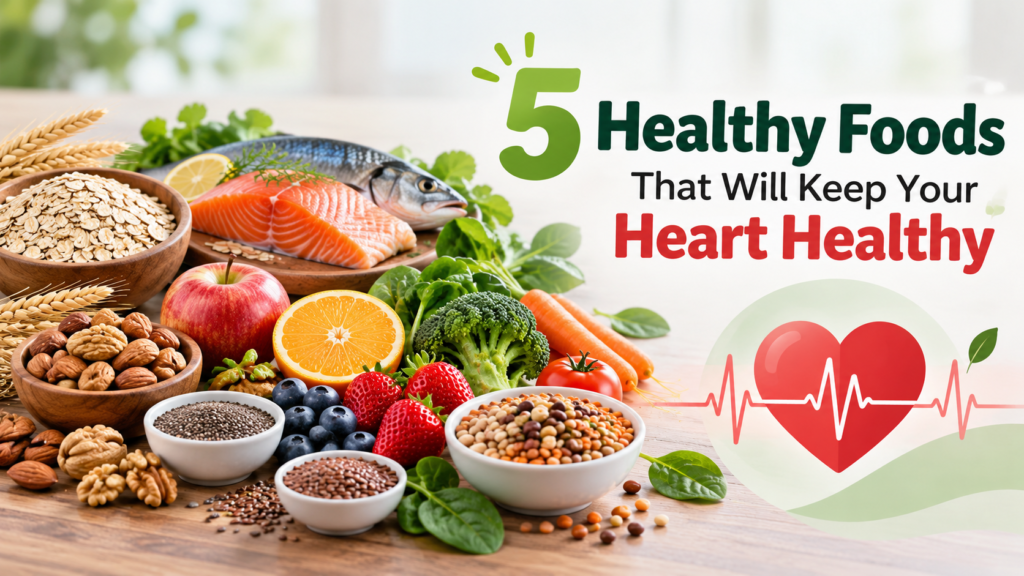
1. Oats and Whole Grains
Oats contain a type of soluble fiber called beta-glucan, which has been shown to help lower LDL cholesterol as part of a balanced diet . When you eat oats, this fiber forms a gel-like substance in your digestive tract that binds to cholesterol rich bile acids, helping your body excrete them rather than absorb them. Whole grains like brown rice, whole-wheat roti, and millets offer more fiber and nutrients than highly refined grains. For Indian meals, try vegetable oats upma for breakfast with carrots, peas, and a few unsalted nuts. Replace some white rice with brown rice or roti made from whole wheat instead of maida. Small swaps add up over time.
2. Fatty Fish and Other Heart-Friendly Protein Sources
Oily fish such as sardines, mackerel, and salmon are rich in omega-3 fatty acids, which may help lower triglycerides and support healthy blood pressure . For those who eat fish, grilling, steaming, or baking are better cooking methods than deep-frying. If you do not eat fish, plant-based proteins can still be part of a heart-healthy pattern. Lentils, beans, chickpeas, and tofu provide protein without the saturated fat found in many red and processed meats. Dal, chana, and rajma are familiar and affordable options in Indian kitchens.
3. Nuts and Seeds
Almonds, walnuts, flaxseeds, and chia seeds provide unsaturated fats, fiber, and other nutrients that may support healthier cholesterol levels when they replace foods high in saturated fat . Walnuts and flaxseeds also contain alpha-linolenic acid (ALA), a plant-based omega-3. A small handful of unsalted nuts makes a satisfying snack. Add ground flaxseeds or chia seeds to your morning oats, curd, or smoothie. Be mindful of portions nuts and seeds are energy-dense and choose unsalted, unsweetened varieties rather than salted or sugar-coated ones.
4. Fruits and Vegetables
Fruits and vegetables provide fiber, vitamins, minerals, and beneficial plant compounds. Eating a variety of colours ensures you get a broad range of nutrients Guava, papaya, apples, oranges, leafy greens, tomatoes, and carrots are widely available and affordable. Try adding fruit to your breakfast, including vegetables at both lunch and dinner, and choosing whole fruit more often than fruit juice. Be cautious with heavily salted or deep-fried vegetable preparations a bhindi fry cooked in excess oil is very different from steamed or lightly sautéed bhindi.
5. Beans, Lentils, and Other Legumes
Lentils, chickpeas, kidney beans, and other legumes provide plant protein and fiber. Research suggests that regular pulse consumption may support healthy blood pressure and cholesterol levels . They can also replace some processed or fatty meat choices in your meals. Dal, chana, rajma, and sprouts are already staples in many Indian households. Prepare them with minimal salt, avoid excessive ghee or oil, and skip deep-fried legume snacks like pakoras as everyday options.
Foods and Eating Habits to Limit for Better Heart Health
Just as important as what you add is what you reduce:
- Excess salt and high-sodium packaged foods: Pickles, papad, processed snacks, and instant noodles are common culprits.
- Foods high in saturated and trans fats: Butter, ghee in excess, fatty meats, and bakery items made with vanaspati.
- Frequent deep-fried foods: Samosas, puris, and fried snacks.
- Processed meats: Sausages, bacon, and salami.
- Sugary drinks and excessive added sugar: Cold drinks, packaged juices, and sweets.
- Highly processed snacks: Chips, biscuits, and namkeen.
The overall pattern matters more than labelling one food as completely good or bad.
How to Build a Heart-Healthy Indian Meal
A practical day might look like this:
- Breakfast: Oats with fruit and a few unsalted nuts, or moong dal chilla with mint chutney.
- Lunch: Whole-wheat roti or a suitable portion of rice, dal, mixed vegetables, and salad.
- Snack: Whole fruit or a small portion of roasted chana or unsalted nuts.
- Dinner: Vegetables, legumes or another suitable protein source, and a balanced portion of whole grains.
Emphasise portion balance and variety. People with diabetes, kidney disease, food allergies, or other medical conditions may need individualised adjustments.
When Should You Consult a Heart Specialist in Kolkata?
If you have high blood pressure, elevated cholesterol, diabetes, a strong family history of cardiovascular disease, or known heart disease, personalised medical guidance can help you make informed decisions. A heart specialist i n Kolkata can assess your individual risk factors and discuss appropriate monitoring or treatment options .A heart-healthy diet supports medical care but does not replace prescribed treatment. Do not stop or change any medication without consulting your doctor. If you are seeking Best Cardiologist in Kolkata, a professional evaluation can provide clarity.
Frequently Asked Questions
1. Which foods are best for heart health?
Ans :- A dietary pattern rich in vegetables, fruits, whole grains, legumes, nuts, seeds, and appropriate protein sources can support heart health. No single food guarantees a healthy heart.
2. Are oats good for cholesterol?
Ans :- Oats contain beta-glucan, a soluble fibre that can help lower LDL cholesterol as part of a balanced diet.
3. Which fruits are good for heart health?
Ans :- Guava, papaya, apples, oranges, and berries are good choices because they provide fibre, vitamins, and beneficial plant compounds.
4. Are nuts beneficial for the heart?
Ans :- Yes. Unsalted nuts, eaten in appropriate portions, provide unsaturated fats, fibre, and other nutrients that may support heart health.
Is fish better than red meat for heart health?
Ans :- Oily fish provides omega-3 fatty acids and can be a heart-healthy choice compared with fatty red or processed meats. Lean meat in moderation can also fit into a balanced diet.
Can a healthy diet reduce the risk of heart disease?
Ans :- Yes. Diet is one modifiable factor that influences cardiovascular health. A balanced eating pattern may help reduce risk, although genetics, physical activity, smoking, and other factors also matter.
Should people with heart disease follow a special diet?
Ans :- People with heart disease should follow personalised medical advice, which may include specific dietary adjustments. A registered dietitian or treating doctor can provide guidance based on their individual health needs.
Conclusion
Oats and whole grains, fatty fish and suitable protein sources, nuts and seeds, fruits and vegetables, and beans and lentils form a practical foundation for heart-healthy eating. Variety, balanced portions, appropriate cooking methods, and consistency matter more than any single ingredient. A heart-healthy diet supports cardiovascular health but cannot eliminate all heart disease risk or replace necessary medical care. For personalised advice, consult a qualified healthcare professional. If you are looking for the best cardiologist in Kolkata, seeking timely guidance can help you take informed steps toward better heart health.
Looking for Best Cardiologist in Kolkata? Meet the Specialist Behind Your Care

Choosing the right heart specialist is an important step towards better cardiovascular health. Dr. Jhulana Jena, Senior Consultant in Cardiothoracic and Vascular Surgery at Desun Hospital, Kolkata, focuses on careful evaluation and personalised treatment planning to help patients understand their heart conditions and make informed decisions about their care Dr. Jhulana Jena focuses on patient-centred cardiac surgical care, with an emphasis on clear communication and helping patients understand their condition and appropriate treatment options. If you or a family member have been advised to consider heart surgery, a consultation can provide an opportunity to discuss your individual situation and the available approaches.
Visit Desun Hospital And Get a Professional Consultation For Angioplasty Treatment
Address :- Desun More, 720, Eastern Metropolitan Bypass, Golpark, Sector I, Kasba, Kolkata, West Bengal 700107
Visit Location :- https://maps.app.goo.gl/9drBYXbTLsifyfNRA
Book an appointment today and get an expert consultation for your cardiac promblems