
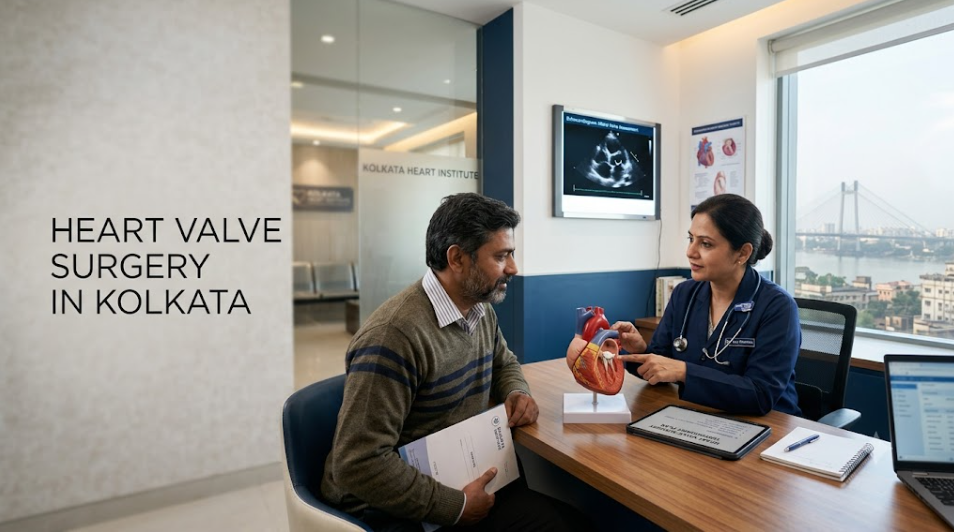
Undergoing heart surgery is a major life event, and the journey to recovery can feel overwhelming for both patients and their families. If you or a loved one is preparing for this path, knowing what lies ahead can bring a sense of control and reassurance. The truth is, recovery after heart surgery is not a one-size-fits-all experience. It is a gradual process shaped by your overall health, age, the type of surgery you had, and even how closely you follow your surgeon’s advice. This guide provides a clear, patient-friendly roadmap of what to expect during your recovery. If you are considering heart surgery treatment in Kolkata, this information will help you understand the journey from the ICU to resuming your normal life.
What Happens Immediately After Heart Surgery?
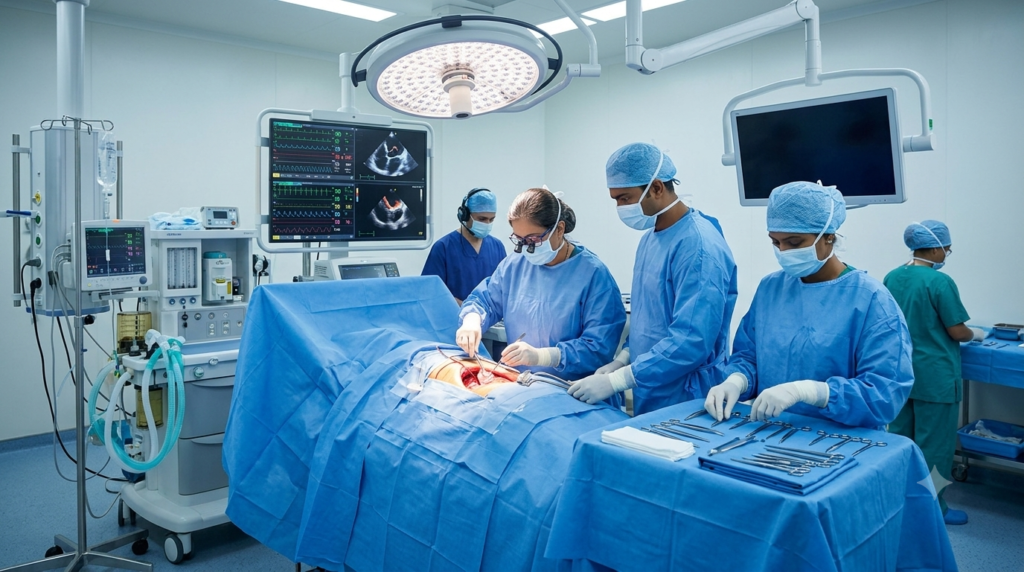
Your recovery begins the moment you wake up in the Intensive Care Unit (ICU). This first stage is all about close monitoring to ensure your body heals safely. For the first day or two, you will be surrounded by a dedicated team of nurses and doctors who will watch your vital signs constantly . You might still have a breathing tube in place when you first wake up, which prevents you from speaking, but this is usually removed within a few hours . It is common to feel groggy, cold, or thirsty. You will have several tubes and lines attached to you intravenous (IV) lines for fluids and medicine, chest tubes to drain excess fluid from around your heart, and a catheter to collect urine .
During this time, the medical team will focus on three key areas: managing your pain, helping you start moving, and slowly reintroducing food. You may have a special pump that allows you to control small doses of pain medication . Once the breathing tube is out and you are stable, you will be encouraged to sit up in bed, then move to a chair, and soon take your first few steps with assistance . This early movement is vital for preventing complications like blood clots and pneumonia. You will also begin with clear liquids before progressing to soft food by the third or fourth day, as your digestive system needs time to wake up after the procedure . Most patients spend about five days in the hospital before being discharged .
How Long Does Heart Surgery Recovery Take?
Recovery time varies significantly based on the type of procedure. As a general guideline, most people need about 12 weeks to feel fully recovered, though much of the significant healing happens within the first six weeks . For those who undergo traditional open-heart surgery, you can expect to stay in the hospital for about five days, followed by two to three months of recovery at home . If your surgery was performed using minimally invasive or robotic techniques, you may spend less time in the hospital (around two to five days) and your recovery at home might be shorter, roughly two to four weeks . It is important to remember that these are just averages your individual timeline will depend on your body’s own healing power and the specifics of your condition. Do not compare your recovery to someone else’s.
What to Expect During the First Few Weeks
The first few weeks back home can be challenging. It is entirely normal to feel tired, sore, and even a little emotional. You will likely experience:
- Fatigue: Your body is working hard to heal. You will tire easily and need to rest frequently .
- Chest Discomfort: You will have some pain or aching around your incision. You might also feel some brief, sharp pains in your chest or upper back as your nerves heal .
- Mood Changes: It is common to feel irritable, anxious, or depressed. These mood swings often stem from the immense stress of the surgery and the fatigue .
These symptoms are usually a normal part of the healing process. You should gradually see improvement in your energy levels and overall wellbeing over the next one to two months .
Heart Surgery Recovery at Home
Making a safe and comfortable home environment is key to a successful recovery. Before you leave the hospital, you will receive specific discharge instructions. Here are some general guidelines that are commonly advised:
- Take Your Medications: Follow your prescription schedule exactly. Your doctor will explain each medicine’s purpose and potential side effects . Use a pill organizer to stay on track.
- Incision Care: You can shower normally once you are home. Let warm, soapy water gently run over your incision and pat the area dry. Do not scrub it. Avoid soaking in a bath, hot tub, or swimming pool for at least three weeks to prevent infection .
- Diet: Your appetite may be poor for the first few weeks, but try to eat a balanced, heart-healthy diet. Start with small, frequent meals and avoid heavy portions that can cause discomfort .
- Constipation: Pain medications can cause constipation. Stay hydrated and eat high-fiber foods to help manage this. .
Physical Activity After Heart Surgery
Reintroducing physical activity is a vital part of your recovery, but it must be done gradually and with care. Walking is the best exercise to start with. It helps improve your circulation, prevents blood clots, and boosts your mood . Your surgeon will guide you on the appropriate pace and frequency. A good approach is to take several short walks a day rather than one long one that leaves you exhausted . For the first six weeks, you must avoid lifting, pushing, or pulling anything heavier than 5 to 10 pounds . This means no heavy grocery bags, vigorous housework, or strenuous upper-body exercises. The goal is to protect your chest and breastbone as it heals.
Diet and Lifestyle After Heart Surgery
Adopting a heart-healthy lifestyle is one of the most powerful steps you can take to support your long-term recovery. Your surgeon or a dietitian will likely recommend a diet that is low in salt, saturated fats, and cholesterol. Focus on including more vegetables, fruits, whole grains, and lean proteins in your meals . It is also crucial to follow advice on alcohol consumption and, most importantly, to quit smoking if you are a smoker. These lifestyle changes are not just about recovering from surgery; they are about preventing future heart problems. Your doctor will provide a dietary plan tailored to your specific needs .
Warning Signs to Watch For After Heart Surgery
While feeling tired and achy is normal, some symptoms should not be ignored. It is important to know the warning signs that require immediate medical attention. Contact your healthcare team or visit an emergency room if you experience any of the following:
- Severe or Worsening Chest Pain: If your chest pain increases or does not improve with medication.
- Significant Breathing Difficulty: Sudden or severe shortness of breath.
- High Fever: A fever of 100.4°F (38°C) or higher that persists .
- Incision Changes: Your wound becomes significantly red, swollen, or begins to drain pus, or it feels hot to the touch .
- Sudden Weight Gain: Gaining more than 2 pounds in a day or 5 pounds in a week, which can indicate fluid retention .
- Fainting or Dizziness: Feeling lightheaded, dizzy, or passing out. .
- Irregular Heartbeat: A new or worsening feeling of your heart racing, pounding, or fluttering.
Do not hesitate to call your doctor if anything feels “off” it is always better to be safe.
Emotional Recovery After Heart Surgery
The physical aspects of recovery are often the main focus, but the emotional journey is equally important. It is incredibly common to experience feelings of anxiety, sadness, or frustration during this period . You may have trouble sleeping, feel worried about returning to normal life, or get easily irritated by small things. These feelings are a normal reaction to the stress of major surgery. Acknowledge these emotions and give yourself time to heal emotionally, just as you are physically. Sharing your concerns with your family and talking to your doctor about persistent feelings of depression or anxiety is crucial for your overall wellbeing.
When Can You Return to Normal Activities?
Returning to your daily routine is a significant milestone, but it must be done in phases. The timelines can vary, so always confirm with your surgeon.
- Work: You will typically need 6 to 8 weeks off from work. If you have a desk job, you might be able to return sooner than someone with a physically demanding role .
- Driving: You should not drive for at least 4 to 6 weeks after surgery. This is because the twisting movements required to turn the steering wheel can strain your healing chest .
- Exercise: You will gradually progress from walking to more intense activities. Your surgeon will give you a green light for specific exercises after a check-up.
- Sexual Activity: Most patients can safely return to sexual activity around four weeks after surgery, or when they can easily climb two flights of stairs . Discuss any concerns with your doctor.
Follow-Up Care After Heart Surgery
Regular follow-up appointments are essential to monitor your healing and ensure the long-term success of your surgery. In these visits, your surgeon will check your incision, review your medications, and assess your heart function with tests like echocardiograms or electrocardiograms . These check-ups are also the time to discuss your progress, ask questions, and adjust your recovery plan if needed. Your doctor will likely recommend a cardiac rehabilitation program, which is a medically supervised plan that combines exercise, education, and support to help you recover safely and adopt a heart-healthy lifestyle .
Choosing the Right Heart Surgeon in Kolkata
For residents of Kolkata, selecting the right medical team is the first step in a successful recovery. You should consider factors like the surgeon’s expertise, the hospital’s facilities, and the quality of post-operative care provided. Look for a multidisciplinary team that offers comprehensive support, from advanced surgical options to specialized cardiac rehabilitation programs. If you are looking for the best heart surgeon in Kolkata, it is important to have an open and honest consultation to discuss your specific condition and recovery plan. This consultation will help you understand the entire process and ensure you are comfortable and confident before proceeding.
Frequently Asked Questions
1. How long does heart valve surgery take?
The surgery typically takes 3 to 6 hours, depending on the complexity of the procedure and whether one or multiple valves are being treated.
2. How long does it take to recover from heart valve surgery?
Most people take 4 to 6 weeks to heal from surgery, and many can return to normal activities within 6 to 8 weeks. However, full recovery may take longer for some individuals, especially older patients or those with other health conditions.
3. Is heart valve repair better than replacement?
Whenever possible, repair is preferred because it preserves the patient’s own tissue and may offer better long-term outcomes. However, replacement is necessary when the valve is too damaged to be repaired.
4. What is the difference between a mechanical and tissue valve?
Mechanical valves are durable and long-lasting but require lifelong blood-thinning medication. Tissue valves do not require long-term blood thinners but may need replacement after 10 to 15 years. The choice depends on age, lifestyle, and medical factors.
5. When should someone consult a heart valve specialist?
If you experience symptoms such as shortness of breath, chest pain, fatigue, palpitations, or swelling in the legs and ankles, it is important to consult a cardiologist. Early evaluation can help identify valve disease before it progresses
Conclusion
Recovering from heart surgery is a journey that requires patience, a supportive environment, and a willingness to follow medical advice. While the initial weeks can be challenging, most patients experience significant improvements in their energy levels and quality of life as they progress. By understanding what to expect and actively participating in your recovery whether through careful diet, gentle walking, or attending follow-up appointments you are giving your body the best chance to heal. Remember, you are not alone. With the right guidance and support, you can navigate the recovery process successfully and look forward to a healthier future.
If you are experiencing symptoms like breathlessness, fatigue, chest discomfort, or swelling in your legs, a professional evaluation can help you understand your heart health and the appropriate treatment options.
Dr. Jhulana Jena
Senior Consultant, Department of Cardiothoracic and Vascular Surgery
Desun Hospital
Desun More, 720, Eastern Metropolitan Bypass, Golpark, Sector I, Kasba, Kolkata, West Bengal 700107
Contact: +91 9051715171
Disclaimer: The information provided in this blog is intended for general educational and informational purposes only. It is not intended to replace professional medical advice, diagnosis, or treatment from a qualified healthcare professional. Individual results may vary. Always seek the advice of a qualified health professional regarding a medical condition or treatment plan.