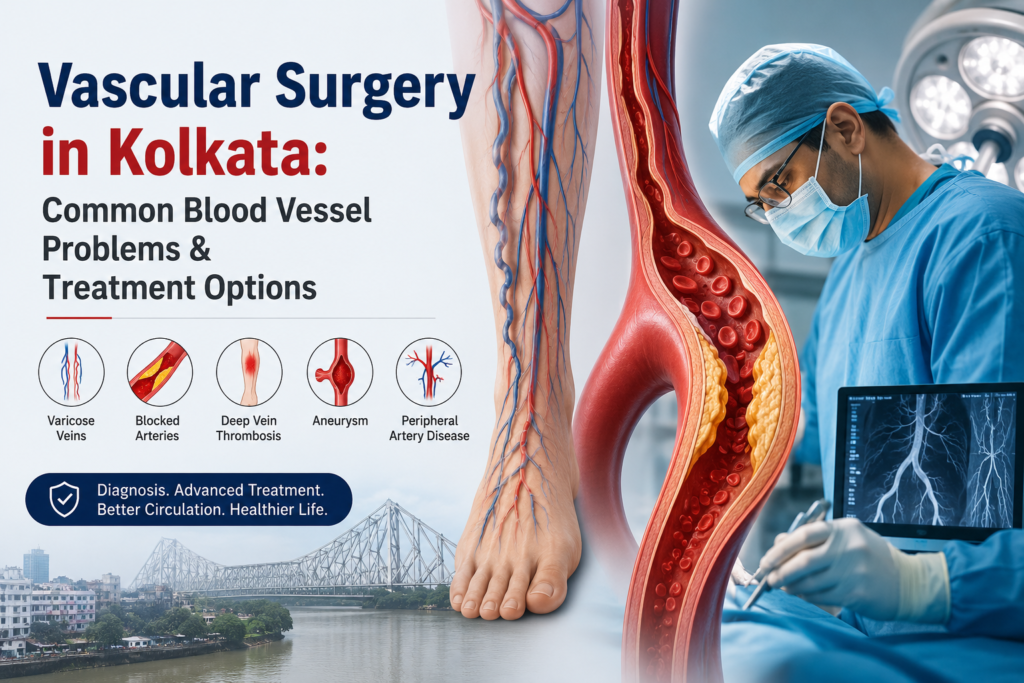
It started with something that seemed harmless. every evening, 58-year-old Mr. Sen noticed a mild pain in his calf while walking home from work. At first, he blamed it on age. Then he thought it might be because he had been sitting for long hours during the day. The pain would disappear after he stopped walking, so he didn’t think much of it.
A few weeks later, he began noticing that he could no longer walk as far as he used to without stopping. His feet sometimes felt unusually cold, and a small wound on his toe was taking longer than expected to heal.
These symptoms may seem unrelated, but they can sometimes point to a problem with blood circulation.
Our blood vessels work continuously to deliver oxygen and nutrients throughout the body. When an artery becomes narrowed or blocked, or when veins struggle to return blood efficiently, circulation can be affected. Depending on the condition, this may lead to leg pain, swelling, prominent veins, numbness, skin changes, or wounds that do not heal properly.
The good news is that not every vascular problem requires surgery. Many conditions can be managed with lifestyle changes, medical treatment, compression therapy, monitoring, or minimally invasive procedures. However, identifying the underlying problem early is important.
If you or a family member is experiencing persistent circulation-related symptoms, understanding the condition and knowing when to consult a vascular heart surgeon in Kolkata can help you take the right next step.
What Is Vascular Surgery?
Vascular surgery is a medical specialty focused on diseases affecting blood vessels outside the heart and brain. Vascular surgeons diagnose and manage problems involving arteries and veins and may use lifestyle and medical treatment, minimally invasive catheter-based procedures, or open surgery.
This is different from surgery for the heart itself, which is generally handled by cardiac or cardiovascular specialists. A vascular surgeon may treat conditions such as blocked leg arteries, aneurysms, carotid artery disease, varicose veins, and certain blood clots.
Importantly, seeing a vascular surgeon does not automatically mean that surgery is required. Early assessment can help determine whether monitoring, lifestyle measures, medical management, or a procedure is appropriate.
Common Blood Vessel Problems
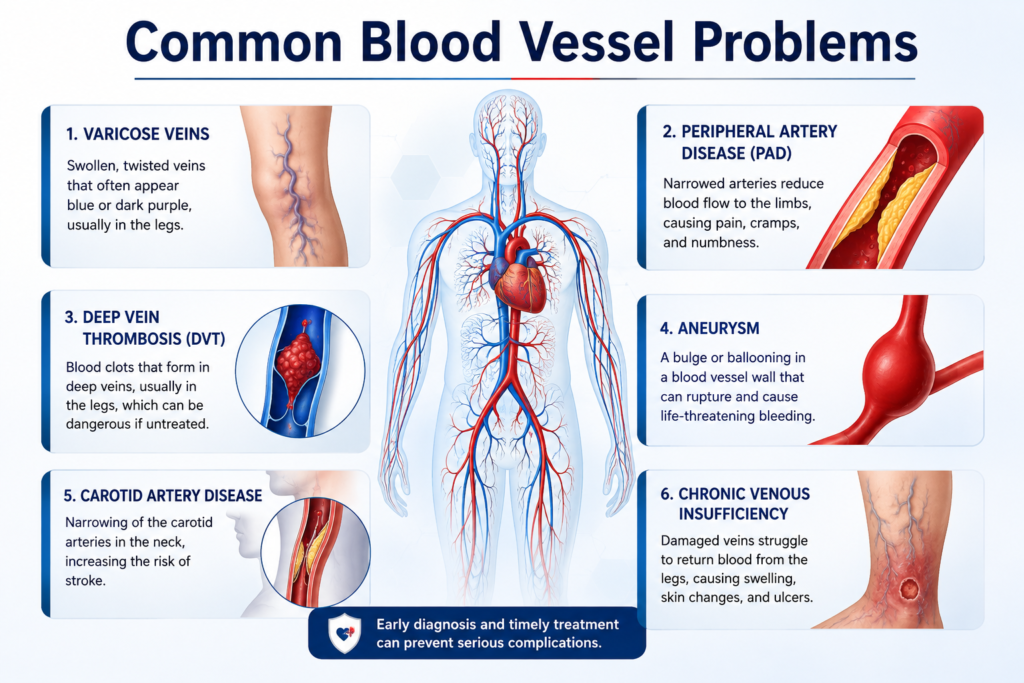
1. Varicose Veins
Varicose veins are enlarged, twisted veins, most commonly seen in the legs. They can cause aching, heaviness, itching, swelling, or discomfort that becomes worse after prolonged standing. Some people have visible veins without significant symptoms.
Often, varicose veins are not dangerous, but advanced vein disease can cause skin changes, ulcers, bleeding, or inflammation. Varicose veins treatment may include lifestyle measures, appropriate compression, sclerotherapy, or endovenous laser or radiofrequency procedures.
2. Peripheral Artery Disease (PAD)
Peripheral artery disease occurs when plaque narrows arteries supplying the legs, reducing blood flow. A classic symptom is pain or cramping in the calf, thigh, or buttock while walking that improves with rest.
Advanced PAD can cause pain at rest, cold feet, numbness, color changes, or wounds that do not heal. Significant arterial disease can threaten tissue and is also associated with cardiovascular disease elsewhere in the body. Treatment may include exercise and risk-factor management, medical therapy, angioplasty, stenting, or bypass when indicated.
3. Deep Vein Thrombosis (DVT)
Deep vein thrombosis, or DVT, is a blood clot in a deep vein, commonly in the leg. Symptoms may include one-sided swelling, pain or tenderness, warmth, and skin redness or discoloration, although some DVTs cause few symptoms.
DVT can become serious if part of the clot travels to the lungs and causes a pulmonary embolism. Sudden breathlessness, chest pain, coughing up blood, fainting, or severe unexplained weakness requires emergency medical assessment.
4. Chronic Venous Insufficiency
Chronic venous insufficiency occurs when veins have difficulty returning blood from the legs toward the heart. Leg swelling, heaviness, aching, skin discoloration, itching, and venous ulcers can occur, particularly after prolonged standing.
Treatment may include regular movement, leg elevation, suitable compression, skin and wound care, and procedures for underlying venous reflux when required.
5. Carotid Artery Disease
The carotid arteries supply blood to the brain. Narrowing caused by plaque may increase the risk of a transient ischemic attack (TIA) or stroke. Carotid disease may have no symptoms until a neurological event occurs.
Warning signs of stroke include sudden facial drooping, weakness or numbness on one side, speech difficulty, confusion, or sudden vision problems. These symptoms require emergency care rather than waiting for a routine vascular appointment.
6. Aneurysms
An aneurysm is an abnormal enlargement or weakening of an artery wall. Some aneurysms cause no symptoms and are discovered during imaging for another reason; others may cause localized pain, a pulsating sensation, or symptoms from pressure on nearby structures.
Risk depends on factors such as location, size, growth, and overall health. Some aneurysms are monitored with imaging, while others may require endovascular or open repair.
7. Blocked or Narrowed Arteries
Arteries can become narrowed because of atherosclerosis, blood clots, or other vascular conditions. Symptoms vary according to the affected vessel and may include exertional pain, reduced pulses, coldness, numbness, color changes, or non-healing wounds.
Treatment for blocked arteries depends on anatomy and severity and may involve risk-factor control, medical treatment, angioplasty and stenting, or surgical bypass.
Symptoms That Should Not Need to be Ignored
Arrange a medical evaluation if you develop persistent or recurring:
- Leg pain or cramping while walking
- Leg swelling, heaviness, or aching
- Skin color or temperature changes
- Numbness or tingling
- Non-healing wounds or ulcers
- Prominent, painful, or changing veins
- Reduced pulses or unexplained coldness in a limb
Some symptoms require urgent medical attention. Sudden severe limb pain, a limb that becomes cold, pale, blue, or markedly numb can indicate acute limb ischemia and requires immediate assessment. Sudden one-sided leg swelling accompanied by breathlessness or chest pain may indicate DVT with pulmonary embolism and is an emergency.
Vascular Surgery Treatment Options
Treatment is selected after confirming the diagnosis and understanding the patient’s symptoms, anatomy, medical history, and overall health.
1.Lifestyle and Medical Management
For many vascular diseases, the initial approach may include appropriate physical activity, smoking cessation, healthy nutrition, weight management, and control of blood pressure, blood sugar, and cholesterol.
Medicines may be prescribed when clinically appropriate, but they should be selected by a qualified doctor rather than self-started.
2.Compression Therapy
Compression stockings or other compression methods can help selected patients with venous disease and swelling. They are not appropriate for everyone, particularly some people with significant arterial insufficiency, so professional assessment is important before use.
3.Sclerotherapy and Endovenous Procedures
Sclerotherapy involves injecting a solution into selected veins so they close and are gradually reabsorbed. Endovenous laser therapy and radiofrequency procedures use heat delivered through a catheter to close problematic superficial veins.
These approaches may be considered for appropriate varicose vein or venous reflux cases.
4.Angioplasty and Stenting
Angioplasty uses a catheter and balloon to widen a narrowed artery. A stent may then be placed to help keep the artery open. These endovascular procedures can be suitable for selected cases of arterial narrowing or blockage.
5.Thrombectomy or Clot-Directed Treatment
When a blood clot is causing significant loss of blood flow, catheter-based clot removal, clot-directed treatment, or open clot removal may be considered depending on the situation.
Acute arterial blockage is time-sensitive and needs urgent specialist assessment.
6.Bypass and Open Vascular Surgery
A bypass creates an alternative route for blood around a blocked section of an artery using a graft. Open surgery may also be required for selected aneurysms, complex arterial disease, or situations where endovascular treatment is unsuitable.
These procedures are considered after evaluating the expected benefits and risks.
When Should You See a Vascular Surgeon in Kolkata?
Consider consulting a vascular heart specialist in Kolkata if you have persistent circulation-related symptoms, diagnosed PAD or venous disease, recurrent varicose vein symptoms, unexplained limb swelling, a non-healing wound, or an abnormal vascular scan.
An early consultation can clarify whether you need treatment, monitoring, or another specialist. A vascular surgeon can also explain the available vascular surgery treatment options when a procedure is being considered.
How Are Vascular Problems Diagnosed?
Diagnosis begins with your symptoms, medical history, risk factors, and a physical examination. Depending on the suspected blood vessel problems, your doctor may recommend:
- Doppler or duplex ultrasound to assess blood flow
- Ankle-brachial index (ABI) to compare blood pressure in the ankle and arm
- CT angiography for detailed images of blood vessels
- MR angiography in selected situations
- Catheter angiography when detailed vessel imaging or an endovascular procedure is being considered
The appropriate test depends on the suspected condition; not every patient needs every investigation.
How to Choose a Vascular Surgeon in Kolkata
When selecting a vascular surgeon, consider:
- Relevant qualifications and specialist vascular training
- Experience treating your specific artery or vein problem
- Access to appropriate vascular imaging and diagnostic facilities
- Availability of conservative, minimally invasive, and surgical options
- Hospital infrastructure and emergency support
- Clear discussion of benefits, risks, alternatives, and follow-up
A good consultation should leave you understanding your diagnosis, the reason for recommended treatment, and the alternatives that may be available.
Frequently Asked Questions(FAQ) about vascular heart surgeon
1. What does a vascular surgeon treat?
A vascular surgeon treats diseases of arteries and veins outside the heart and brain, including PAD, aneurysms, carotid disease, varicose veins, and selected clot-related conditions.
2.Is vascular surgery always necessary?
No. Many vascular conditions can initially be managed with lifestyle measures, medical treatment, compression, monitoring, or minimally invasive procedures. Surgery is considered when appropriate for the specific condition.
3.What are the warning signs of blocked arteries?
Leg pain during walking, cold feet, numbness, color changes, weak pulses, and non-healing wounds can indicate reduced arterial blood flow. Sudden severe symptoms require urgent assessment.
4. Are varicose veins dangerous?
Most varicose veins are not immediately dangerous, but some can cause complications such as skin changes, ulcers, bleeding, or inflammation. A vascular evaluation can determine whether treatment is needed.
5.When should I see a vascular specialist?
See a vascular specialist for persistent circulation symptoms, unexplained swelling, non-healing wounds, suspected PAD or DVT, troublesome varicose veins, or an abnormal vascular test. Seek emergency care for sudden severe circulation changes or symptoms of stroke or pulmonary embolism.
Conclusion
Blood vessel problems range from common vein conditions to serious disorders affecting arterial circulation. Recognizing persistent symptoms early can help identify problems before complications develop.
If you are considering vascular surgery in Kolkata, focus first on an accurate diagnosis rather than choosing a procedure from symptoms alone. A qualified vascular specialist can assess the affected vessels, explain appropriate vascular disease treatment options, and recommend an approach suited to your condition, anatomy, and overall health.
Looking for a Vascular Specialist in Kolkata? Meet the Vascular Specialist Behind Your Care
When your legs hurt while walking, swelling keeps returning, or a wound is taking longer to heal, the biggest question is often simple: “Who can I trust with my vascular health?” Choosing the right specialist can make the journey easier.
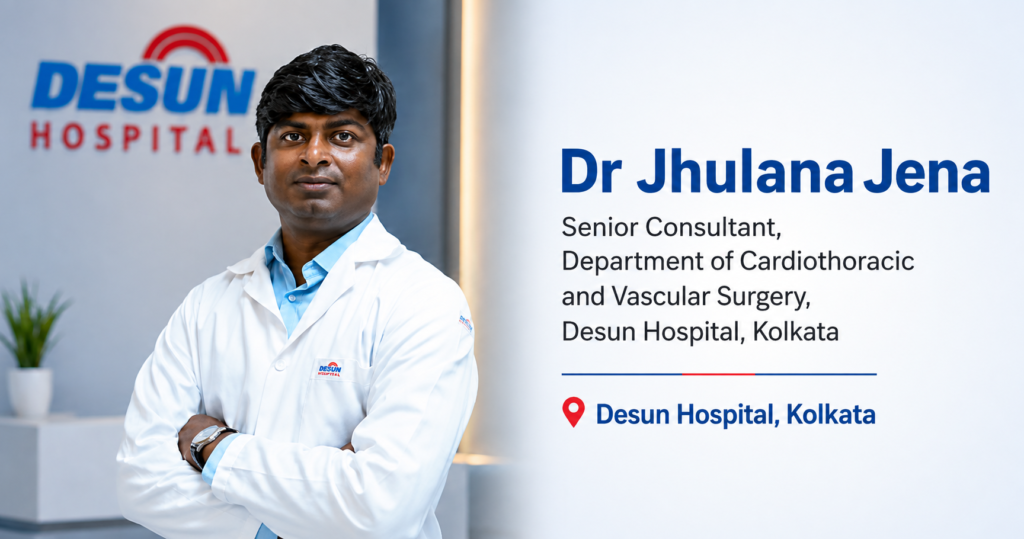
Dr. Jhulana Jena, , provides specialized care for artery and vein conditions, focusing on understanding each patient’s symptoms, identifying the underlying vascular problem, and recommending treatment based on their individual needs.
From common vein problems to complex arterial conditions, the goal is simple: the right diagnosis, the right treatment, and care that puts the patient first.
Desun Hospital
Address :- Desun More, 720, Eastern Metropolitan Bypass, Golpark, Sector I, Kasba, Kolkata, West Bengal 700107
Disclaimer :- The information provided in this blog is intended for general educational and informational purposes only. It is not intended to replace professional medical advice, diagnosis, or treatment from a qualified healthcare professional.